333 Emergency communications plan
3-3-3 communications plan
- Easy to remember (turn on the radio every 3 hours, for 3 minutes, on channel 3)
- Widely adopted by many neighborhoods, emergency comms groups, survivalists, and disaster preparedness groups.
- Fully compatible with the other major comms plan (known as the 1-2-3 plan)
FRS
Pros:
- inexpensive
- simple to use
- no license needed
- compatible with GMRS
Cons:
- no repeaters
- lower power output/limited range
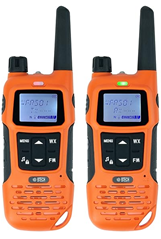
GMRS
Pros:
- higher power output / longer range
- Can use repeaters
- Compatible with FRS
- Mobile radios can be permanently mounted in house/vehicle with 50w output
Cons:
- more expensive
- license required to transmit ($35 for 10 years, covers entire household, no testing/exam needed)
- repeaters require additional configuration
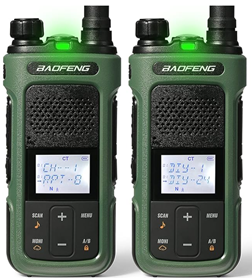
VHF/UHF/HF (ham radio)
Pros:
- most flexible
- most power
- most capable
- longest range (depending on band)
Cons:
- expensive
- licensing is required to transmit. ($70 for 10 years, only covers the individual, testing required, 3 “levels” of licensing, each with more privileges)
- All frequencies must be manually programmed - most complex solution to use
- Not legally compatible with FRS or GMRS (although it is technically compatible in life threatening scenarios)
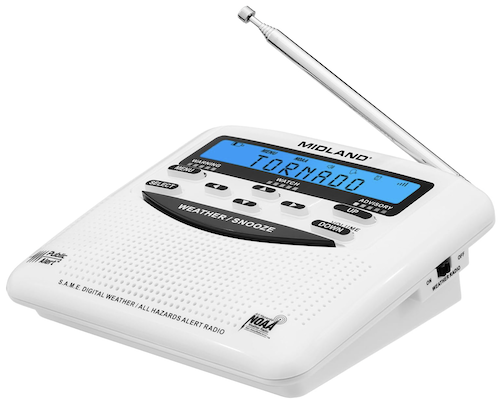
Weather radio / NOAA alerts
Suggestions:
- Always on, for effective alerts. Alerts don’t help if the device is off.
- At least 2 power options, AC and battery minimum. Other models can be charged from solar or hand crank.
- S.A.M.E compatibility - allows restricting alerts to specific types and/or counties
Links
- FRS radios, no license needed. Lower power output than GMRS radios. USB-C rechargable
- GMRS radios, 10yr/$35 gmrs license needed. USB-C rechargable
- PowerBank Solar rechargable. Can be used to recharge any USB device.
- WeatherRadio Weather radio with alerts. Always on.